Music isn’t just something nice to listen to. It’s a gift that can shape a child’s heart, mind, and future. Whether it’s plinking out notes on the piano, strumming a guitar, or singing along in the car, music has been shown to boost learning, strengthen confidence, and create memories that last a lifetime.
I know this personally. My daughter started harp lessons when she was just four. Week after week, I chauffeured her through sunshine and snowstorms to lessons and later to rehearsals for the Milwaukee Youth Symphony. The drives were long, but the reward was greater: hearing her practice at home. My favorite memories are of winter evenings — snow falling outside, the smell of cookies baking in the oven, and harp music filling our house. I miss those days, but they remind me how deeply music can enrich a child’s life and a family’s story.
Music Builds Stronger Brains
Scientists have discovered that music is akin to exercise for the brain. Learning rhythm, notes, and patterns strengthens memory, focus, and problem-solving.
- A study from Northwestern University shows that music training improves the brain’s ability to process speech, which supports reading and language skills.
- Think of it this way: when your child learns music, they’re not just playing notes — they’re sharpening their mind for learning in all areas.
Music Boosts Academic Success
Does music really help in school? Research says yes.
- A 2019 study in the Journal of Educational Psychology found that students involved in music performed better in math, science, and English.
- Kids in band, choir, or piano lessons often score higher on standardized tests and show stronger discipline in their studies.
Every practice session — every scale, every piece learned — builds not just musical skill but also habits of focus and persistence that spill into schoolwork.
Music Builds Confidence and Perseverance
Music is a journey of small steps. Mastering a new piece teaches perseverance. Performing for family, friends, or in a recital teaches courage.
When children see their practice pay off — when they finally get that tricky section right or finish a performance with a smile — their confidence grows. Music teaches them that effort matters and that perseverance leads to joy.
Music Strengthens Emotional Well-Being
From lullabies that calm babies to songs that lift our spirits, music has always been tied to our emotions. For children, music is a safe outlet to express feelings, manage stress, and experience joy.
Playing or listening to music has even been linked to reduced anxiety and increased happiness. Music gives children a tool to process big feelings — something they’ll carry with them throughout life.
Music Creates Lifelong Joy and Connection
The best part? Music isn’t just for childhood. Many adults who learned music as kids carry that love forward — whether they join a choir, play at church, teach their own children, or simply sit down at the piano to unwind.
It’s a gift that enriches not just the individual, but families and communities. Those snowy nights with harp music drifting through our home are long past, but the memories remain — and they continue to bring joy.
Conclusion: The Gift That Lasts
Giving your child the gift of music isn’t just about lessons or recitals. It’s about enriching their mind, boosting their confidence, and filling your home with joy. From stronger academics to lasting traditions, music is a treasure that grows with them into adulthood.
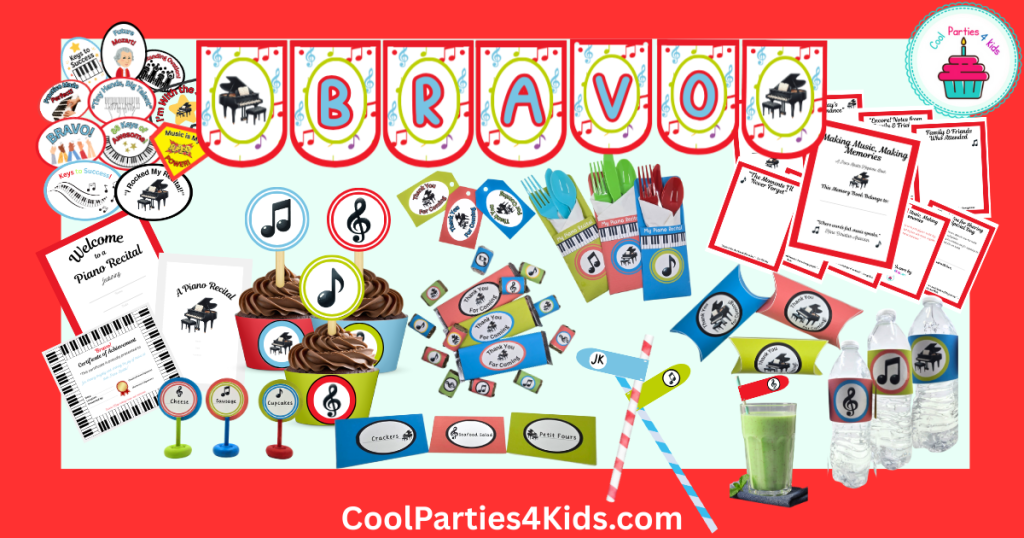
👉 Want to celebrate your child’s musical journey? Explore our Piano Recital Party Kit — designed to honor their hard work and turn recital day into a memory you’ll treasure forever.